
The Role of Luck in Gambling
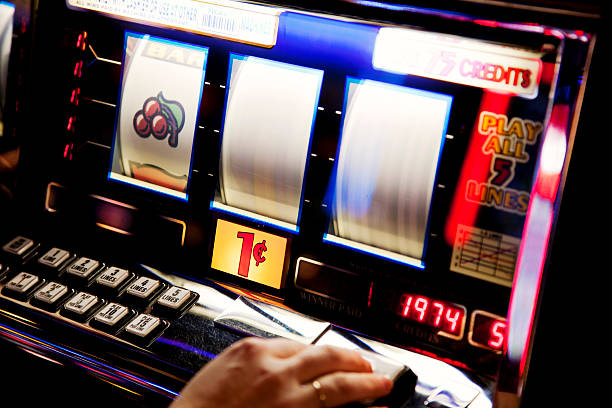
Luck plays a significant role in gambling, a phenomenon that has intrigued players and researchers alike. Many believe that luck is the primary factor determining success in games of chance, such as slots or roulette, where the outcome is entirely random. The randomness of these games can lead to unpredictable results, which creates the perception that luck is the driving force behind winning streaks or losses, especially when players explore casinos sister sites that offer similar experiences. This notion is deeply ingrained in gambling culture, influencing how players make decisions and engage with various games.
However, it is essential to recognize that luck represents just one component in the broader context of gambling. While players often credit their successes to fortunate circumstances, skill, strategy, and knowledge of the game can significantly influence outcomes. For instance, in games like poker, the ability to read opponents and make calculated decisions often outweighs mere chance. This intertwining of skill and luck can create an intricate balance, leading to varying perceptions of how luck affects long-term success in the gambling world.
Moreover, psychological factors also come into play when discussing luck in gambling. Players frequently exhibit cognitive biases, such as the illusion of control, where they believe they can influence the outcome despite the inherent randomness. This mindset can affect how players approach gambling, often leading them to chase losses or engage in risky behaviors. Understanding and recognizing the role of luck, combined with skill and strategy, is crucial for both new and experienced gamblers looking to navigate the complex landscape of chance-based games.
The Impact of Skill and Strategy
While luck undeniably affects short-term results in gambling, skill and strategy can significantly impact the long term. In games where players can make decisions—like poker, blackjack, or sports betting—knowledge and strategic thinking can help mitigate the role of chance. Experienced players often develop techniques to improve their odds, demonstrating that luck is not the sole determinant of success. For example, in blackjack, understanding when to hit, stand, or double down based on probability can lead to better outcomes, even if luck is not consistently on one’s side.
Additionally, understanding the rules and nuances of each game can substantially increase a player’s chances of winning. Many gamblers focus solely on luck, neglecting the importance of developing a keen understanding of the games they play. By investing time in learning various strategies and honing their skills, players can effectively reduce variance and improve their overall success rates. This shift from a luck-centric mindset to one that values strategy can profoundly influence a player’s approach towards gambling.

Furthermore, the combination of skill and luck can lead to a more enjoyable and potentially profitable gambling experience. When players equip themselves with the necessary knowledge and techniques, they become more adept at handling the ups and downs of games of chance. This not only fosters resilience but also reinforces a deeper appreciation for the intricacies of gambling beyond luck, ultimately leading to a more fulfilling experience for those who engage in it.
The Influence of Superstition and Belief
Superstitions and beliefs surrounding luck can significantly influence how individuals approach gambling. Many players adopt specific rituals or habits, believing they can enhance their chances of winning. These practices vary widely, from wearing lucky clothing to performing specific actions before placing bets. This psychological aspect of gambling highlights how strongly people associate luck with success, often leading them to ascribe their victories or defeats to these beliefs rather than the inherent randomness of the games.
This phenomenon is not just limited to individual players; entire gambling cultures can form around particular superstitions. For example, in certain regions, specific numbers or symbols may be considered lucky or unlucky, affecting betting behaviors. The impact of such beliefs can lead to irrational decision-making, revealing how deeply ingrained these notions are within the gambling community. Understanding the psychological aspects of superstition provides further insights into the complex relationship between luck, belief, and gambling outcomes.
Moreover, the influence of superstition can serve as a double-edged sword in gambling experiences. While some players may find solace and confidence through their rituals, others can fall prey to negative thought patterns, believing their bad luck is a personal failing. This cycle can lead to obsessive behavior, chasing losses in hopes of regaining control. By recognizing these patterns, players can strive to cultivate a healthier mindset that balances their beliefs with a rational understanding of luck’s true role in gambling.
The Long-Term Perspective
When evaluating the influence of luck in gambling, it is essential to adopt a long-term perspective. While luck may dictate short-term outcomes, its impact diminishes over time, especially in skill-based games where strategic play becomes more prevalent. Players who rely solely on luck may experience peaks and valleys in their gambling journey; however, those who incorporate skill and strategy often see more consistent results over the long term. This underscores the importance of approaching gambling with patience and a focus on sustainable practices.
Additionally, understanding the odds and probabilities associated with different games can provide a more realistic view of how luck factors into gambling. Knowledgeable players will recognize that while luck can deliver unexpected wins, the house edge ensures that the odds are typically in favor of the casino in the long run. By embracing this reality, players can adopt more disciplined approaches, balancing their desire for excitement with responsible gambling practices that emphasize skill development and financial management.
Ultimately, the long-term view of gambling success emphasizes the importance of persistence, strategy, and emotional control. While luck can influence individual sessions, it is the player’s commitment to honing their skills, learning from experiences, and making informed decisions that will truly define their success over time. By fostering a balanced approach, players can enjoy the thrill of gambling while embracing the inevitability of luck’s role, creating a more rewarding overall experience.
Exploring More About Gambling
For those looking to delve deeper into the world of gambling, understanding the interplay between luck, skill, and strategy is crucial. A wealth of resources, articles, and forums offer insights into various games, strategies, and the psychological aspects of gambling. Engaging with knowledgeable communities can provide valuable perspectives and aid players in developing effective techniques that balance luck with informed decision-making.
Moreover, educational platforms dedicated to gambling can help individuals recognize the importance of responsible gambling practices. Emphasizing the balance between enjoyment and sustainability can promote healthier habits, allowing players to enjoy the thrill of gambling without falling into detrimental patterns. This understanding fosters a safer environment for all involved, highlighting the importance of awareness in a landscape often dominated by chance.
In conclusion, as you explore the complex relationships between luck, skill, and strategy in gambling, remember that enjoyment and responsibility should always go hand in hand. By continuing to educate yourself and embrace a holistic view of gambling, you can navigate this exciting world more effectively, ultimately enhancing your experiences and outcomes in the realm of chance-based games.